

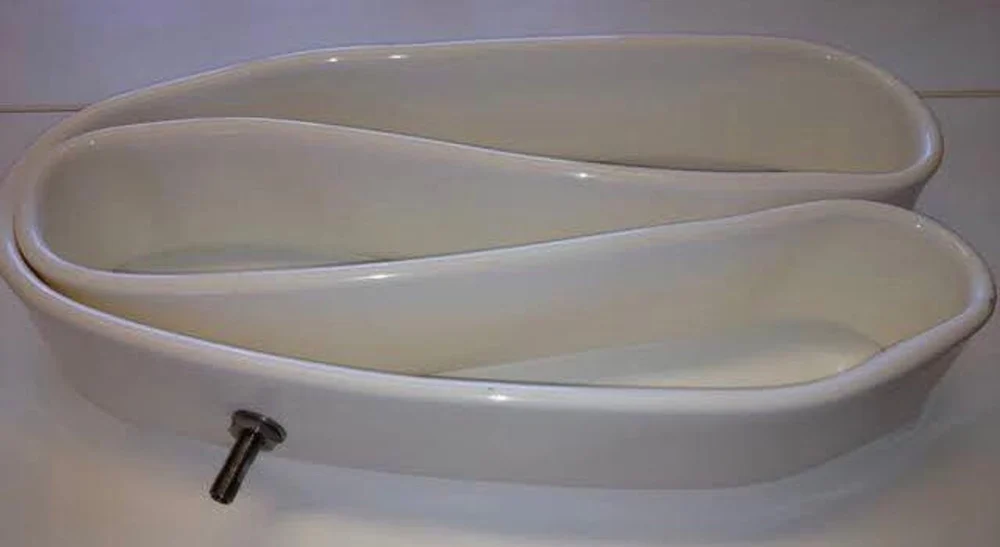
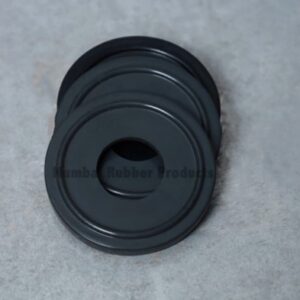
Here’s a more detailed look at the role of lyophilization gaskets in the pharmaceutical industry:
-
Importance of Airtight Seals:
- Preventing Moisture Reabsorption: Lyophilization involves removing water from a product under vacuum, resulting in a dry, stable form. Gaskets ensure that the container remains airtight, preventing the reabsorption of moisture from the surrounding environment, which could destabilize the freeze-dried product.
- Maintaining Sterility: In the pharmaceutical industry, sterility is paramount. Lyophilization gaskets help maintain the sterility of the product by preventing contamination from entering the sealed vial during the process.
- Ensuring Product Stability: By preventing moisture and contamination, gaskets contribute to the long-term stability and shelf life of the lyophilized product, which is crucial for pharmaceutical applications.
-
Materials and Considerations for Pharmaceutical Gaskets:
- Material Compatibility: The gasket material must be compatible with the pharmaceutical product and the lyophilization process itself, ensuring no degradation or cross-contamination. Common materials include silicone, rubber, and various polymers.
- Sterilization: Gaskets should be designed and manufactured to be easily sterilized using methods like autoclaving or gamma irradiation, according to the Food and Drug Administration (FDA).
- Durability and Flexibility: The gasket needs to be durable enough to withstand the vacuum and temperature changes during lyophilization, while also being flexible enough to form a tight seal against the vial or container.
- Low Extractables: Gaskets should have minimal extractables, meaning they should not release any compounds into the product during the lyophilization process that could affect its purity or efficacy.
-
Gasket Selection and Quality Control:
- Gasket Type: Different types of gaskets are available, such as rubber gaskets, silicone gaskets, and various polymer gaskets, each with its own specific properties and suitability for different applications.
- Quality Control: Gaskets must be rigorously tested for their sealing ability, extractable content, and sterility before being used in the lyophilization process.
- Validation: The gasket material and sealing process should be validated to ensure that they consistently meet the required standards for sterility and product integrity.
. Lyophilization Gaskets and Regulations:
- GMP Compliance: The use of lyophilization gaskets in the pharmaceutical industry must comply with Good Manufacturing Practices (GMP) guidelines, ensuring that they meet the required standards for product quality and safety.
- Regulatory Requirements: Gasket materials and sealing processes should also comply with relevant regulatory requirements, such as those set by the Food and Drug Administration (FDA).
In conclusion, lyophilization gaskets are a critical component in the pharmaceutical industry, playing a vital role in ensuring the stability, sterility, and long-term shelf life of freeze-dried products. By understanding the materials, properties, and regulatory requirements associated with these gaskets, pharmaceutical manufacturers can optimize their lyophilization processes and deliver high-quality, safe, and effective products.
Reviews
There are no reviews yet.